
Skip to content
Size
Bra Size
Understand the difference

Bra Shapes & Styles Guide

See how coverage, construction and purpose change the way a bra looks and feels, then compare the types of bras you want to explore.

  • 9 common styles explained
  • Overlapping categories
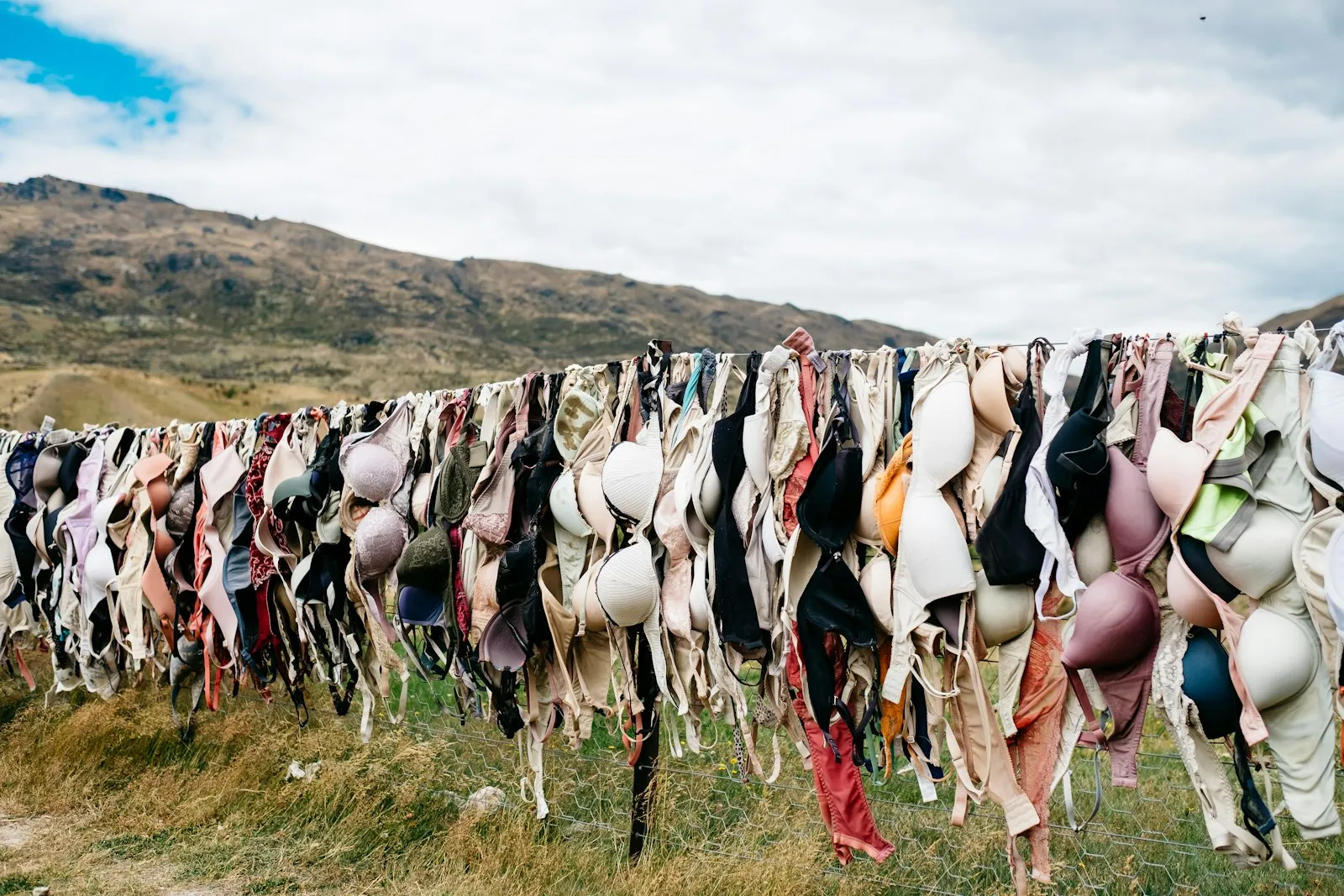
Hundreds of bras in every color and style hanging along a fence
Every shape, every style Lace · Molded · Wire-free · Sports
Style names explained

Bra labels describe different things

Some names describe coverage, some describe how the cup is made, and others describe what the bra is for. A single bra can belong to several categories at once.

Coverage & neckline

How high the cups come up and how low the centre sits.

e.g. Plunge, Demi, Balconette

Cup construction

Whether the cup is molded in one piece or sewn from several panels.

e.g. Molded, Seamed

Support structure

Whether the bra uses underwires or relies on the band and fabric.

e.g. Underwired, Wireless

Straps & purpose

How the straps are set and what the bra is designed for.

e.g. Strapless, Sports, Multiway

Use these together. A bra can be plunge (coverage), seamed (construction) and underwired (support) all at once.

Style library

What are the different types of bras?

Filter by coverage, construction or purpose. Categories overlap.

Showing 9 of 9 styles
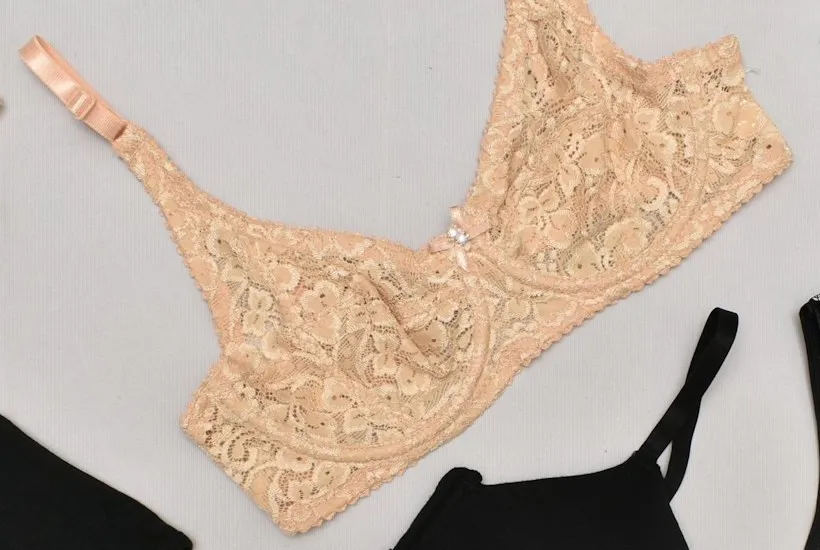
  • A nude lace underwired bra with unlined lace cups laid flat More coverage

    Full-cup bra

    More cup coverage over the upper breast, with construction and materials that vary between designs.

    • Fuller coverage
    • Everyday option
    • Wired or wireless
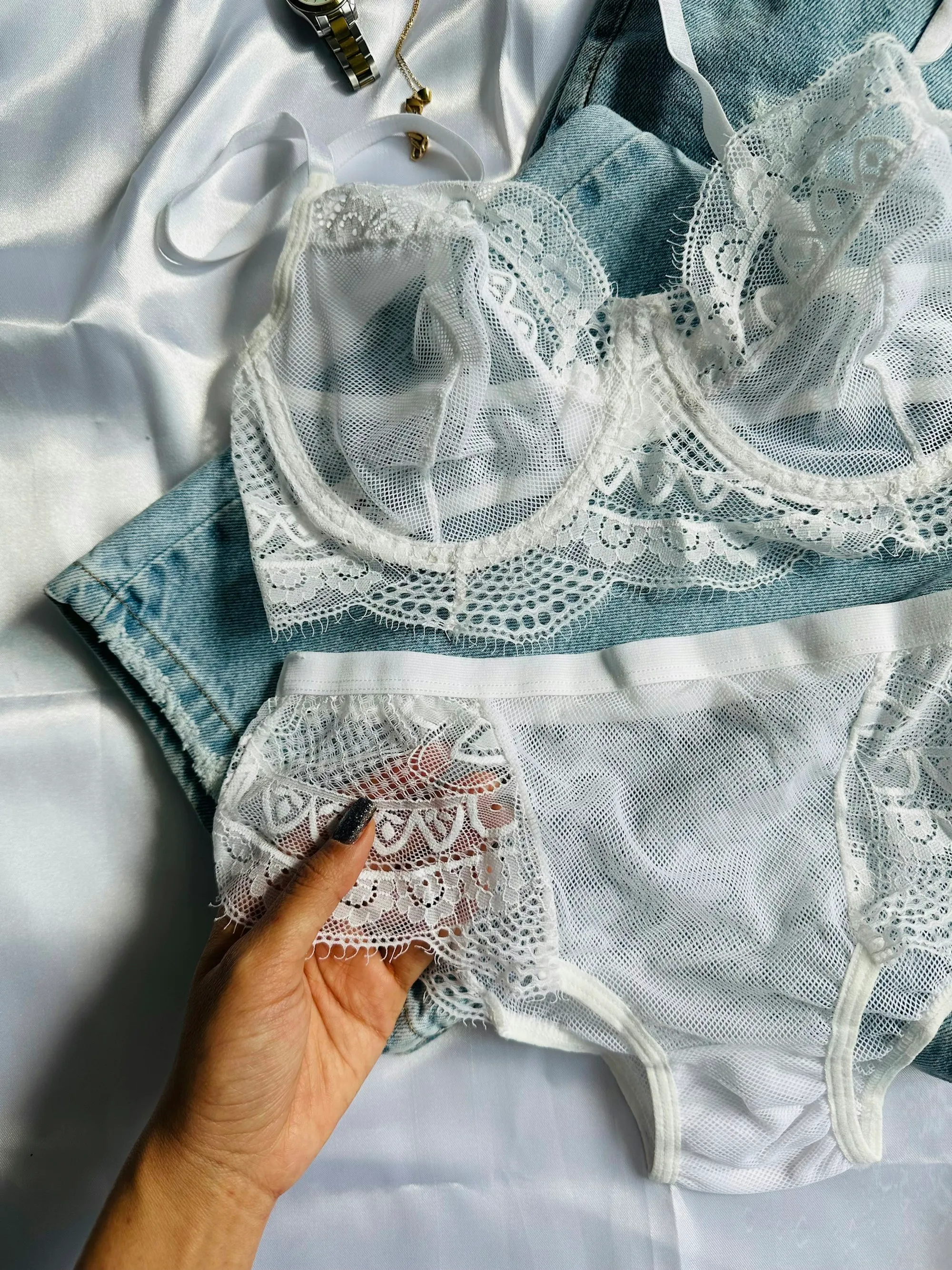
  • A hand holding a white lace underwired bra over matching briefs on a bed Horizontal line

    Balconette bra

    A straighter, more horizontal top edge, often paired with straps set wider apart.

    • Lower, straighter neckline
    • Often wider-set straps
    • Construction varies
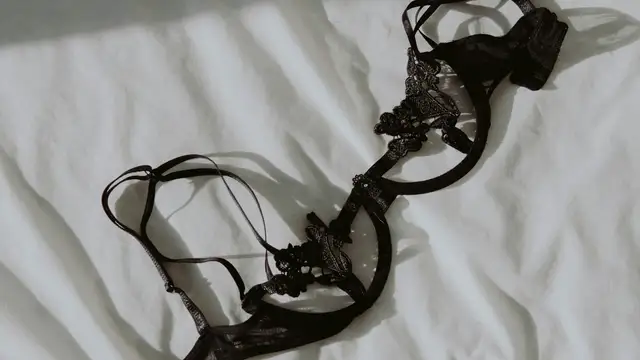
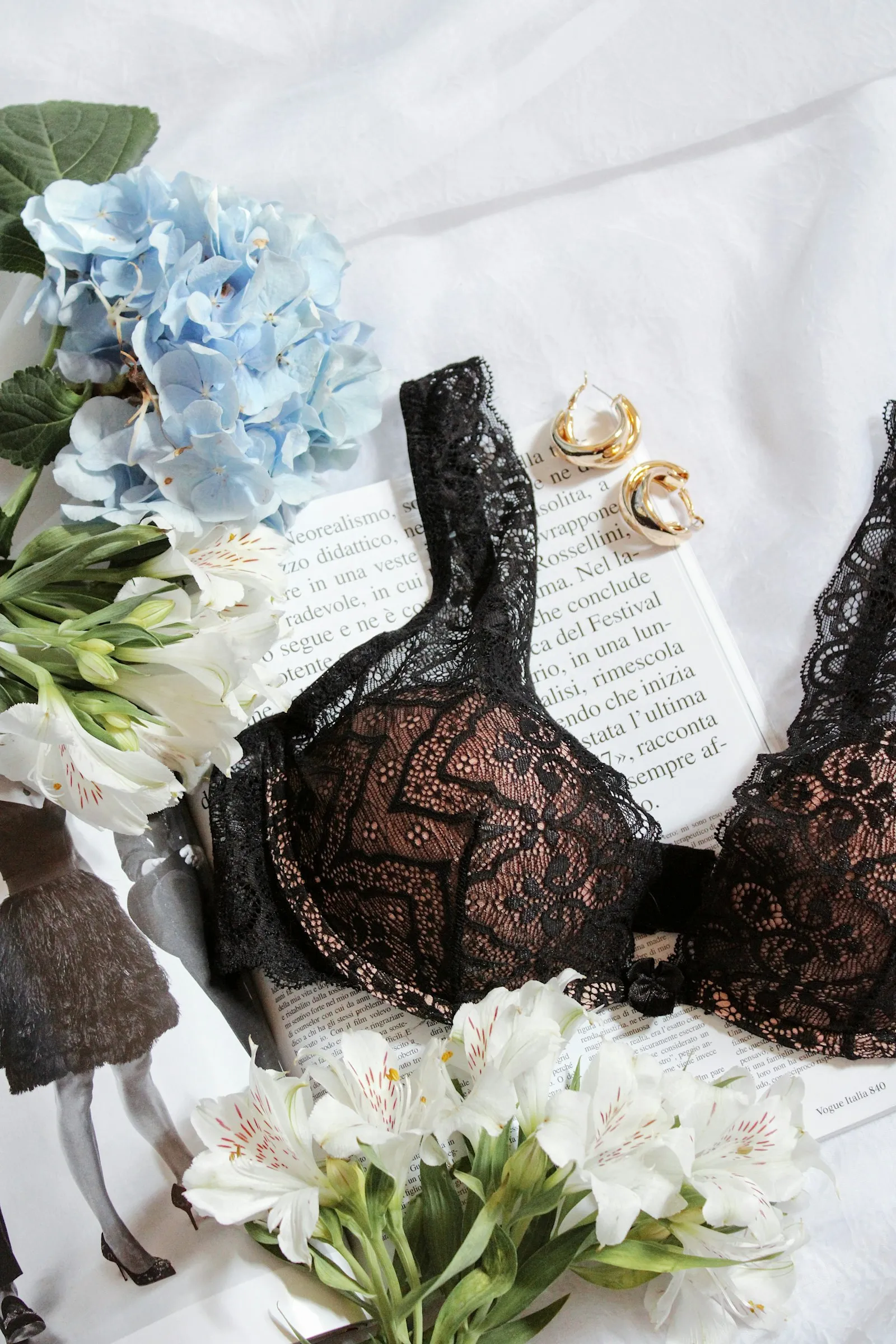
  • A black lace underwired bra on a table with flowers and an open book Lower coverage

    Demi bra

    A lower-coverage cup. The exact cut varies between brands, and the name overlaps with balconette.

    • Lower coverage
    • Open neckline
    • Brand-dependent cut
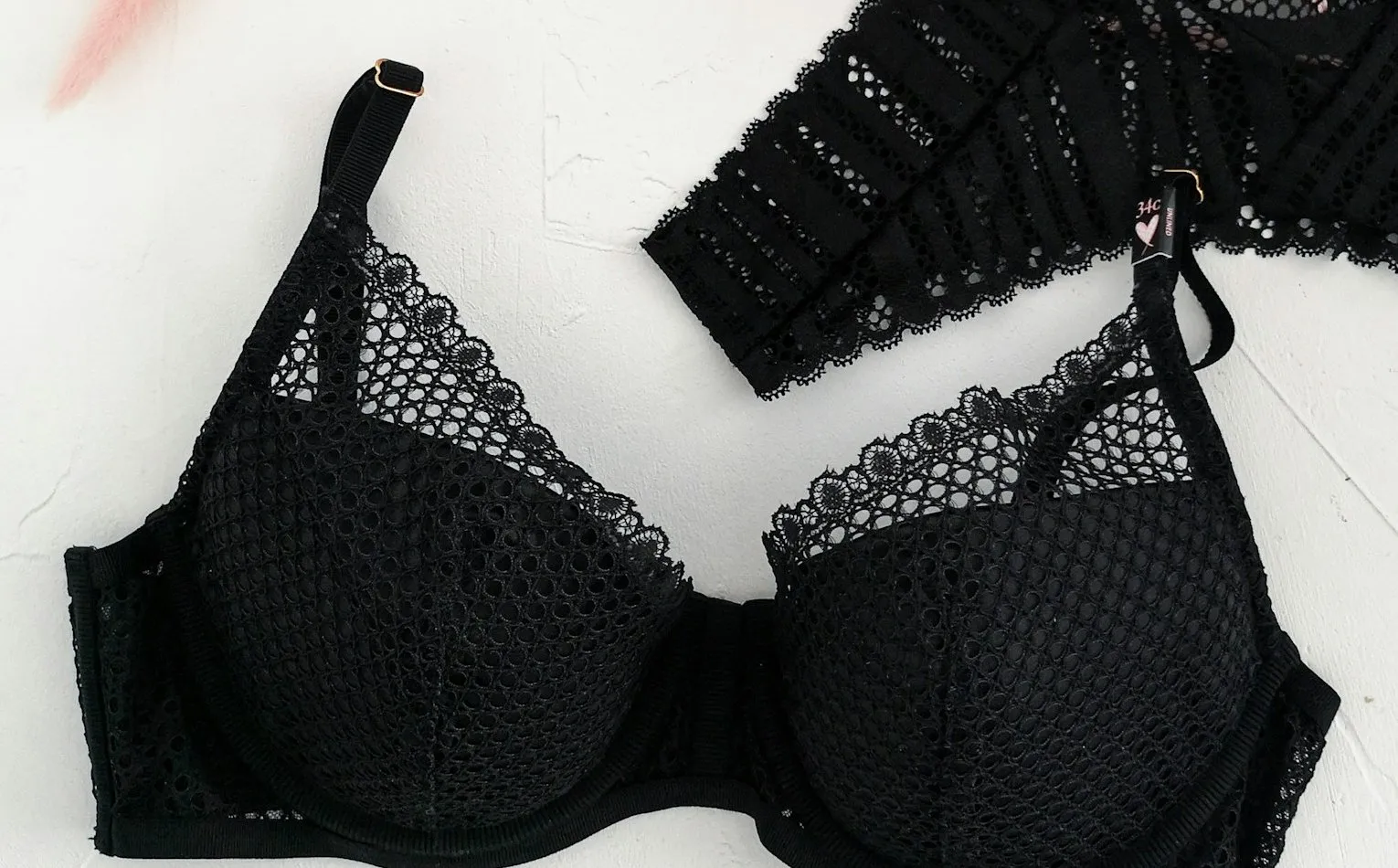
  • A black padded underwired bra with lace edging laid flat on a white surface Low centre

    Plunge bra

    A lower, narrower centre between the cups, designed to sit under deeper V necklines.

    • Lower centre
    • Deep-neckline option
    • Coverage varies
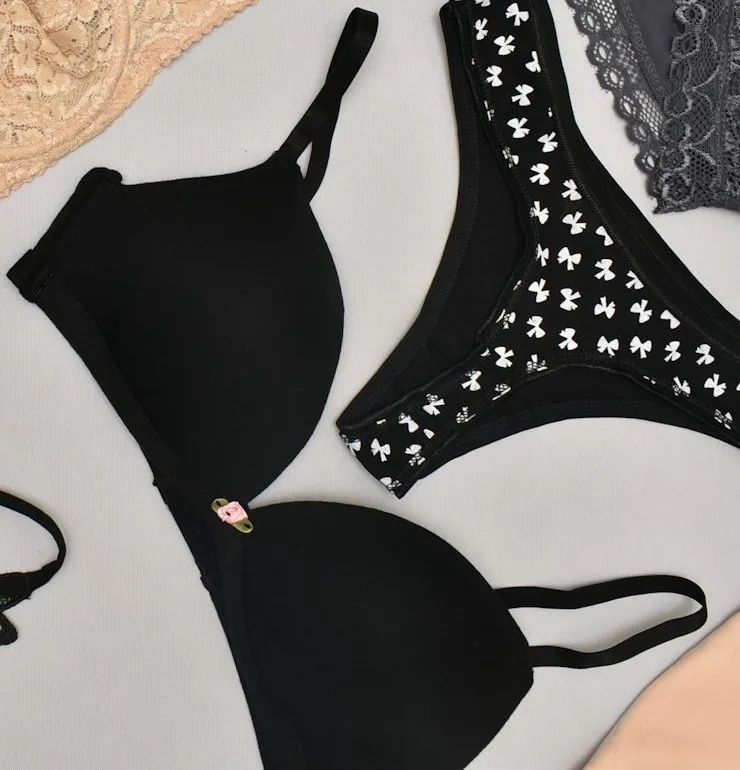
  • A black bra with smooth molded cups laid flat Smooth finish

    T-shirt bra

    Smooth cups designed to look seamless under close-fitting tops, often using molded cups.

    • Smooth outer finish
    • Often molded
    • Everyday option
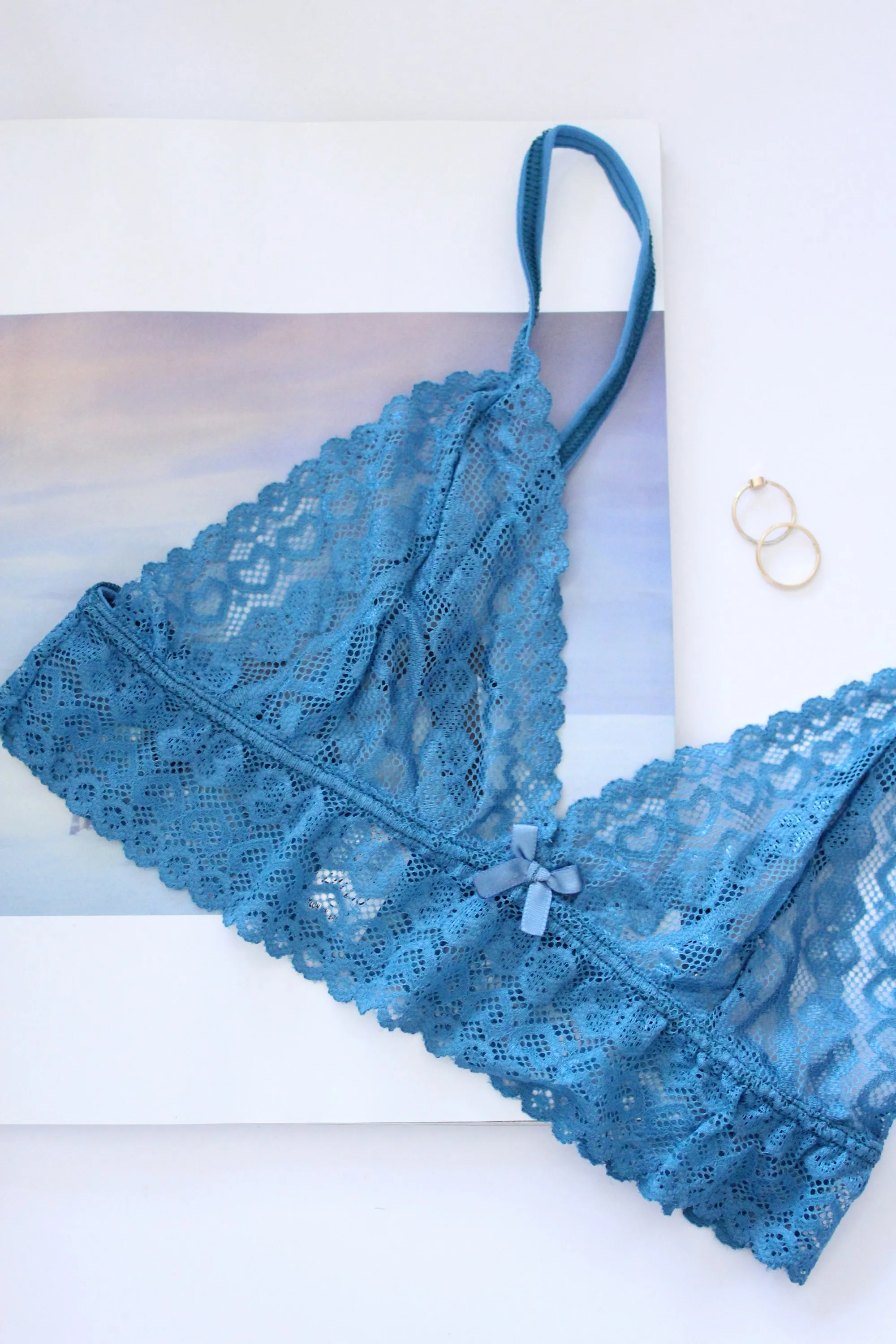
  • A blue lace wire-free bra with triangle cups on a white surface No underwire

    Wireless bra

    A bra without underwires, relying on the band, fabric and cup construction for support.

    • No underwire
    • Many coverage options
    • Construction matters
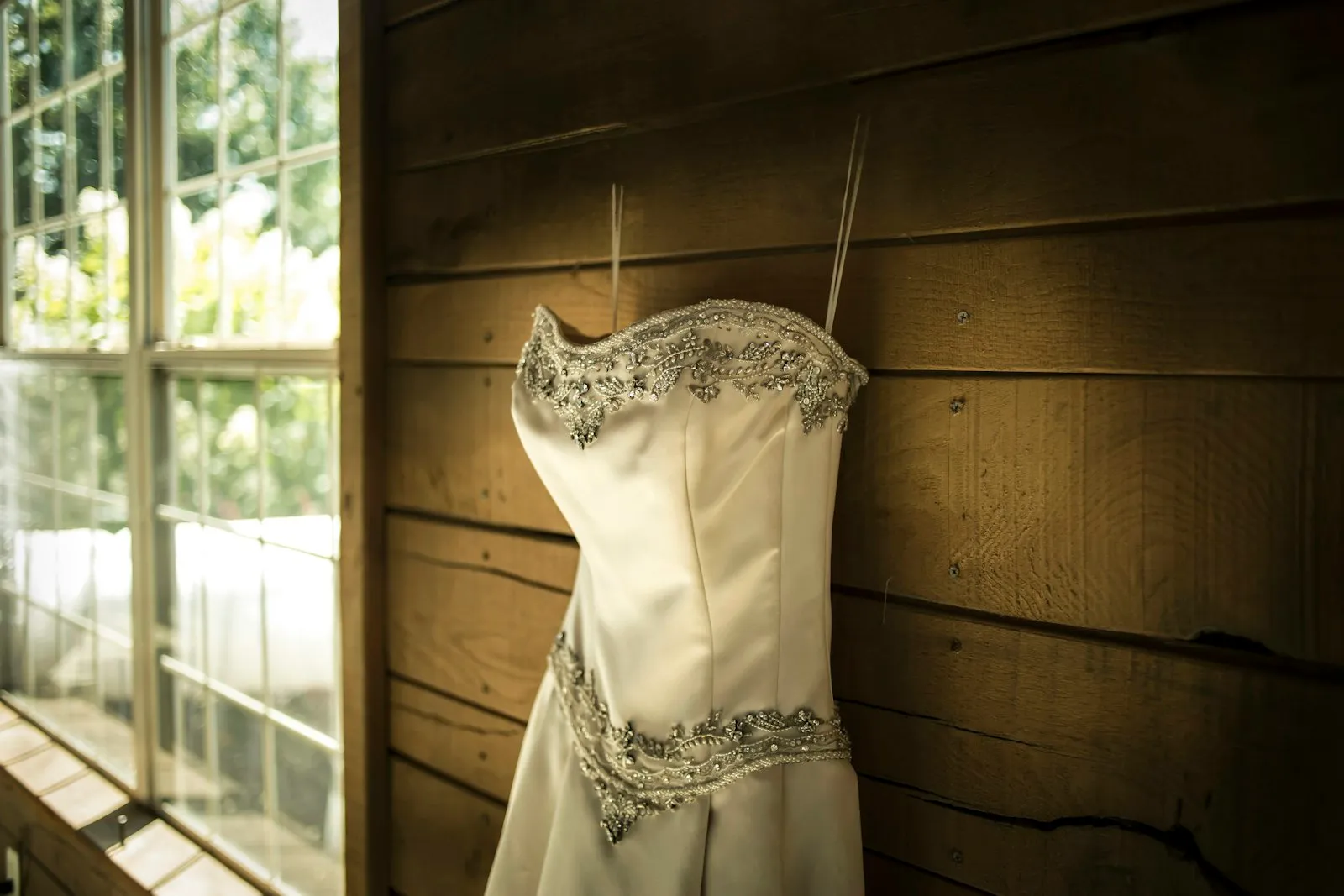
  • A strapless ivory dress hanging by a window No straps

    Strapless bra

    Designed to stay in place without shoulder straps, so the band does all of the work.

    • Strap-free option
    • Outfit-focused
    • Band fit matters
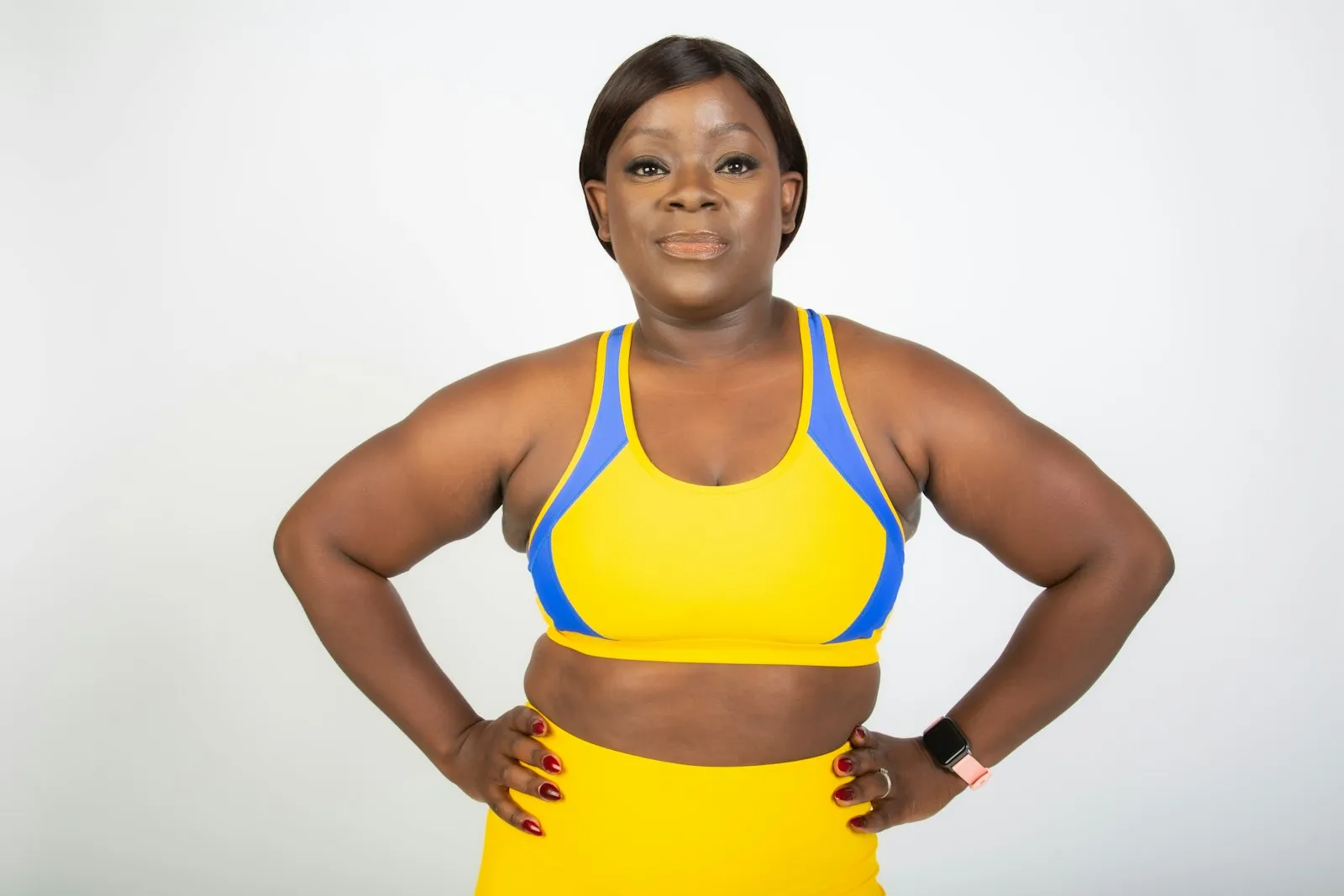
  • A smiling woman in a yellow sports bra and leggings For movement

    Sports bra

    Designed for movement, reducing breast movement through compression, separate cups, or both.

    • Activity-focused
    • Different support designs
    • Check fit while moving
  • Hands holding up a white lace bralette against a blue sky Soft structure

    Bralette

    A softer, less structured style. Coverage, shape and support vary a lot between designs.

    • Soft structure
    • Lounging and layering
    • Support varies

Side by side

Compare the details that matter

Select “Compare” on up to 3 styles above.

Comparison of selected bra styles

Style names describe design features rather than fixed standards. One brand’s demi can be another brand’s balconette.

Cup construction

Molded or seamed: what changes?

How a cup is made affects whether it keeps its own shape or follows yours.

Molded cups

Shaped in one piece, usually from foam, giving a smooth surface that keeps its shape whether worn or not.

Trade-off: if the molded shape is different from yours, you may see a gap at the top edge or feel pressure elsewhere.

Often chosen for: close-fitting tops where seams might show.

Seamed cups

Sewn from two or more panels of fabric, lace or mesh. The seams shape the cup.

Trade-off: seams can show under very fine fabrics, but the cup can follow your shape more closely.

Often chosen for: shaping and support, and when molded cups gape.

Troubleshoot cup fit
By occasion

Choose by what you are wearing it for

Everyday wear

Look for a band that stays level all day, comfortable straps and fabrics you like.

Styles to look atFull cup, balconette, wireless

A particular neckline

Match the cup line and centre to the outfit: deep V necklines suit lower centres.

Styles to look atPlunge, demi, balconette

Strapless outfits

A firm band with grips or side boning helps it stay up.

Styles to look atStrapless, multiway

Exercise

Choose support for your activity and check it while moving.

Styles to look atCompression or encapsulation sports bras

Same label, different fit

Why the same size can feel different

Two bras with the same size label can fit quite differently because of how they are made.

  1. 01

    Cup shape and depth

    A shallower cup spreads volume wider; a deeper cup holds more forward of the body.

  2. 02

    Fabric and band stretch

    Firmer band materials stretch less, so the same band size can feel tighter.

  3. 03

    Wire width and shape

    Wires that are too narrow can sit on breast tissue; wires that are too wide can dig in under the arms.

  4. 04

    Strap position

    Wide-set straps can slip on narrow or sloping shoulders; closer-set straps may stay put.

In the fitting room

Look beyond the style name

Five checks for any bra, whatever the style.

  1. 1

    The band is level

    It sits level around your body and does not ride up at the back.

  2. 2

    The centre suits the style

    In many everyday wired styles the centre rests close to the chest; plunges, wireless and sports bras differ.

  3. 3

    No spilling or empty space

    Cups sit smoothly without cutting in or leaving gaps that stay when you move.

  4. 4

    Wires sit around tissue

    In wired bras, the wires follow where the breast meets the chest, not on breast tissue.

  5. 5

    Straps help, not lift

    Straps stay on without digging in; most support should come from the band.

In depth

Bra style guides

Each guide explains what a style is, who it suits, how it should fit and what to look for when you buy.

Style questions

Frequently asked questions

Can one bra belong to several style categories?

Yes. Style names describe different things: coverage (full cup, demi, plunge), how the cup is made (molded or seamed), and purpose (sports, strapless). One bra can be a plunge, molded and a T-shirt bra at the same time.

What is the difference between a balconette and a demi bra?

Both have less coverage than a full cup. A balconette usually has a straighter, horizontal top edge and wider-set straps; demi is a looser term for a lower-coverage cup. Brands use the names differently, so one brand’s demi may be another’s balconette.

Why do molded T-shirt bras gape at the top even in my usual size?

Molded cups keep a fixed shape. If that shape does not match yours, the top edge can stand away from you even when the size is right. A seamed or stretch-lace cup may follow your shape more closely. The fit checker can help you decide.

Can wireless bras give enough support for larger cup sizes?

Some can. Without wires, support comes from the band, the fabric and the cup construction, so look for a firm band and structured cups. How supportive a particular wireless bra feels depends on its design and on you.

How should a strapless bra fit compared with an everyday bra?

With no straps, the band does all the work, so a strapless bra should feel firm and stay in place on the loosest hook when new. Wider bands, side boning and silicone grips can help it stay up.

What is the difference between compression and encapsulation sports bras?

Compression sports bras hold the bust against the body; encapsulation sports bras have separate cups for each breast. Some combine both. Try them while moving in the way you will exercise.

How do I know if a plunge bra is sitting properly?

A plunge has a lower, narrower centre than most bras. Check that breast tissue is not pushed over the inner edges of the cups and that the wires sit around, not on, breast tissue. If tissue spills at the centre, a larger cup or a different style may help.
Next steps

Find a style to explore, then check the fit

Style descriptions here are general and based on how these designs are usually made, not on testing specific products.

How we explain styles and review guidance