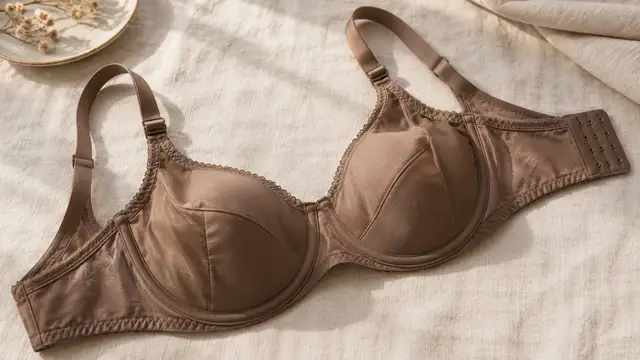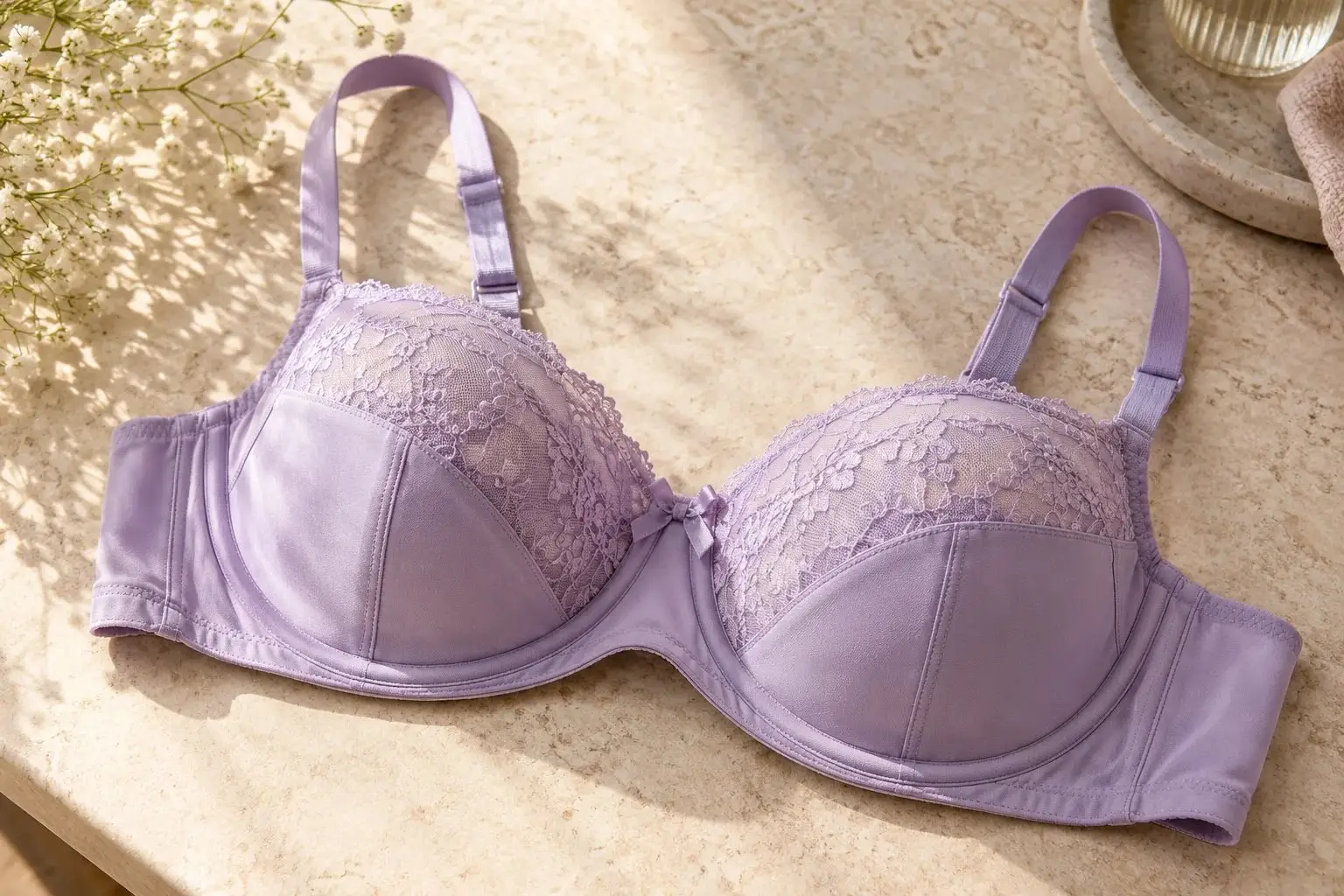
People wear bras mainly for comfort, support during movement, shape under clothes and coverage. It’s a personal choice rather than a medical need: there’s no good evidence that bras prevent sagging, and research hasn’t found a link between bras and breast cancer. If a bra makes you more comfortable, wear one. If it doesn’t, you don’t have to.
The main reasons people wear bras
| Reason | What the bra does |
|---|---|
| Comfort | Reduces movement when you walk, run or climb stairs |
| Support | Carries some of the weight of heavier breasts, especially from the band |
| Exercise | Sports bras reduce bounce, which many people find less uncomfortable |
| Shape | Gives a particular silhouette under fitted clothes |
| Coverage | Hides nipples under thin or light fabric |
| Personal and cultural norms | Work dress codes, habit and personal preference |
What the research says
- Sagging: a University of Kentucky study of 132 women found that breastfeeding wasn’t linked to sagging; age, number of pregnancies and smoking were. Cleveland Clinic says there’s no proof a bra prevents sagging. Our guide to whether not wearing a bra causes sagging covers this in detail.
- Cancer: a Fred Hutchinson Cancer Center study found no link between bra wearing and breast cancer in postmenopausal women.
- Breast pain and exercise: the University of Portsmouth’s Research Group in Breast Health reported that over half of the 1,659 women in one survey had experienced breast pain, and its sports bra research focuses on reducing movement during exercise.
When a bra helps most
- High-impact exercise like running or jumping. See high-impact sports bras.
- Fuller busts, where support takes weight off the chest and shoulders.
- Long days on your feet if movement is uncomfortable.
When you might skip it
- At home, sleeping or relaxing. Cleveland Clinic notes there’s no evidence that sleeping in a bra raises breast cancer risk, and no proof that wearing one prevents sagging.
- When a bra digs in, rubs or causes pain. That’s a sign the size or style is wrong.
If you’d like coverage without a traditional bra, our guide to bra alternatives covers camisoles, bralettes, nipple covers and built-in bra tops.
If you wear one, make it fit
An uncomfortable bra is usually the wrong size or style, not proof that bras are bad. Measure with our bra size calculator and use how to choose a bra to find a comfortable fit.