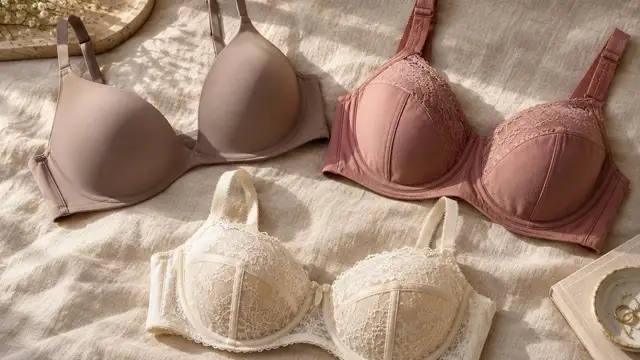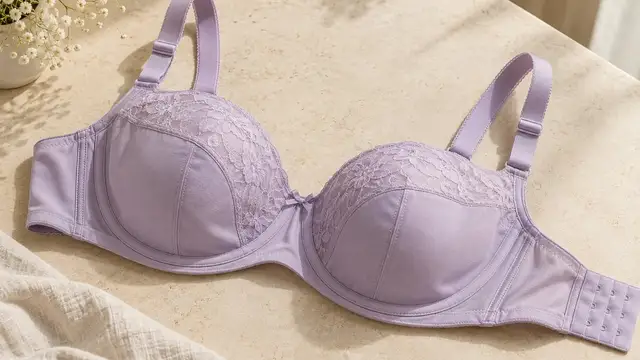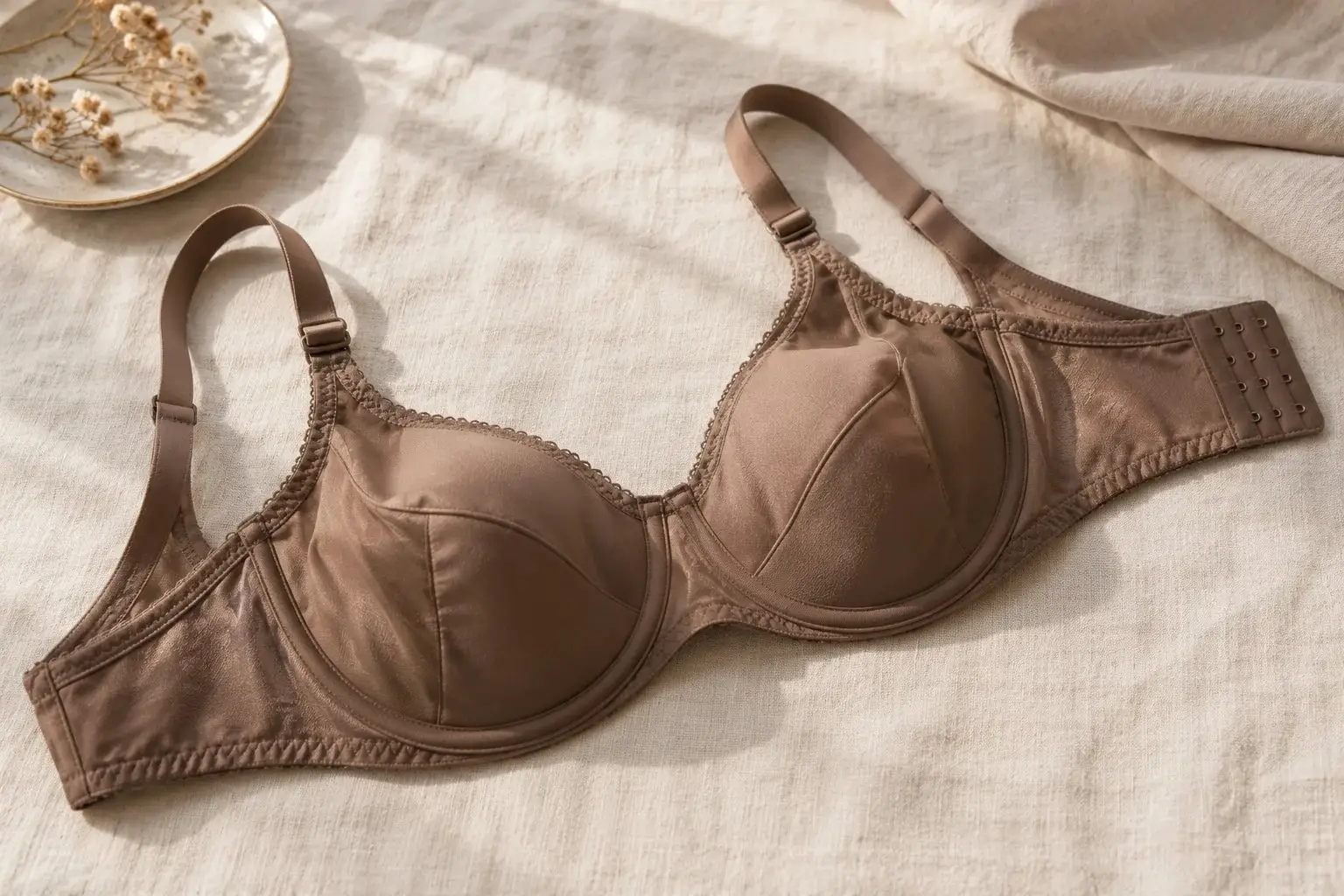
To choose the right bra, measure your size, pick a style that suits your breast shape and clothes, then check the fit at five points: band, cups, center, straps and wires. The band matters most. Wacoal estimates it gives about 70% of a bra’s support.
Step 1: measure your size
Measure snugly around your ribcage under your bust, then loosely around the fullest part. Our bra size calculator turns those two numbers into a starting size in US, UK, EU, French or Australian sizing, and the measuring guide shows where to hold the tape.
Treat the result as a starting point. In a University of Portsmouth study of 45 women, the traditional measuring method overestimated band size and underestimated cup size compared with professional fit checks, and the researchers recommended judging fit rather than relying on one measured size.
Step 2: decide what the bra is for
| You need a bra for… | Start with |
|---|---|
| Everyday wear under T-shirts | T-shirt bra or smooth full cup |
| Low, V or plunging necklines | Plunge bra |
| Square or wide necklines | Balconette |
| Strapless or off-the-shoulder tops | Strapless or convertible bra |
| Exercise | Sports bra matched to the activity |
| Lounging or sleep | Soft bralette or sleep bra |
Our bra styles guide compares every main style side by side.
Step 3: match the style to your shape
Size tells you how much volume you have. Shape tells you where it sits. If you’re fuller at the bottom, balconettes and full cups usually suit you. If your breasts are wide set, try a plunge. If they’re uneven, look for stretch-lace top cups. Our guide to the best bra for your breast shape has a full table.
Step 4: check the fit at five points
- Band: level all the way round and firm on the loosest hook. Lift your arms. It shouldn’t move up.
- Cups: no gaps, no wrinkles and no spilling at the top or sides.
- Center (gore): lies flat against your sternum in an underwire bra.
- Straps: snug, not digging in. Wacoal suggests you should be able to slide two fingers underneath.
- Wires: sit behind your breast tissue at the sides, not on top of it.
If something is off, our fit checker matches the symptom to the fix.
Step 5: try the sizes around yours
Sizing varies by brand and even by style. Try your measured size, then:
- Your sister sizes: one band down and one cup up, and one band up and one cup down. They hold the same cup volume. The sister size calculator lists them.
- One cup size either side if the band fits but the cups don’t.
Step 6: buy for the long run
- Choose the loosest hook. The band will stretch, and the tighter hooks let you keep it firm.
- Check the return policy before you order, especially online.
- Rotate bras so each one rests between wears. Our guide on how many bras you need has a starter list.
When to get help
If you’ve tried several sizes and nothing fits, a professional fitting can help. See where to get a bra fitting for options in the US, including free fittings at department stores and specialist boutiques.